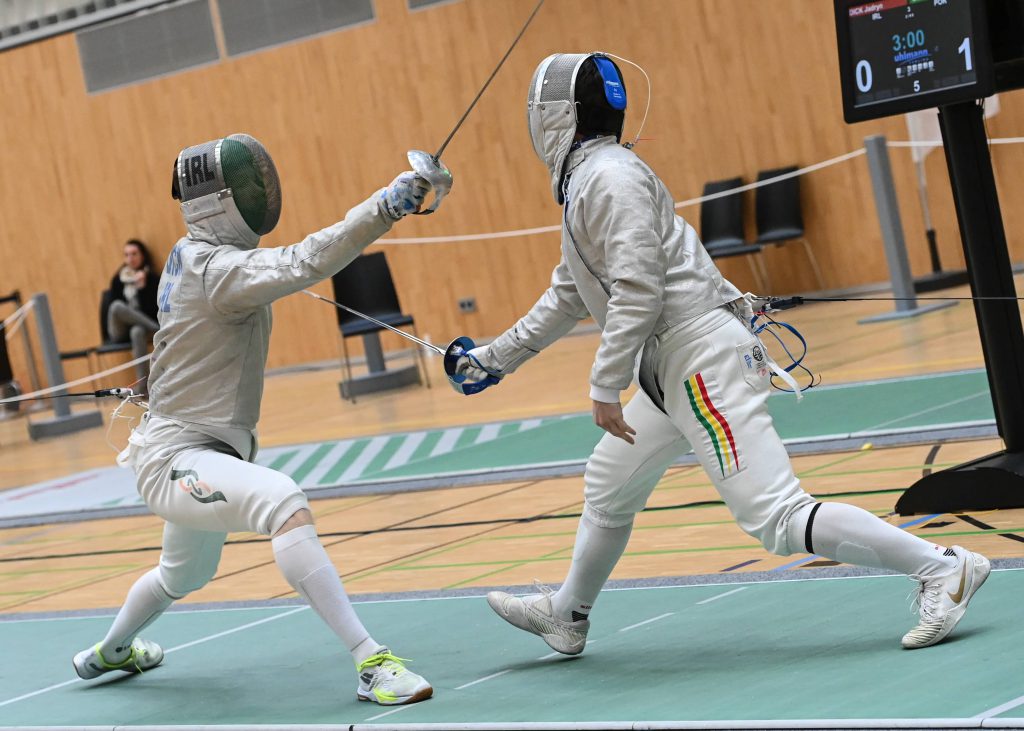
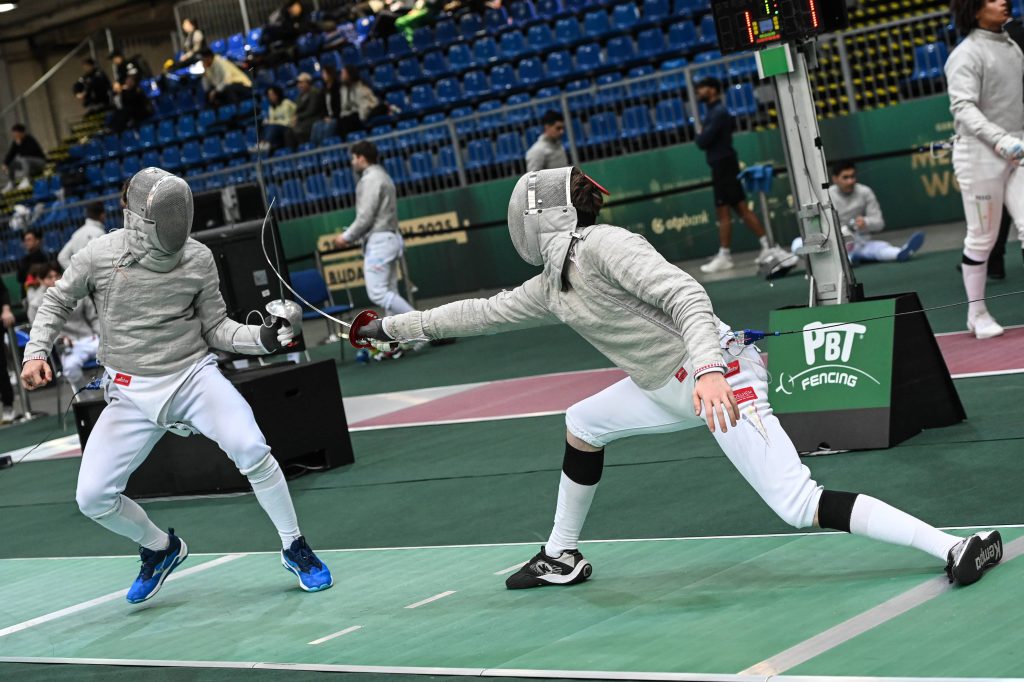
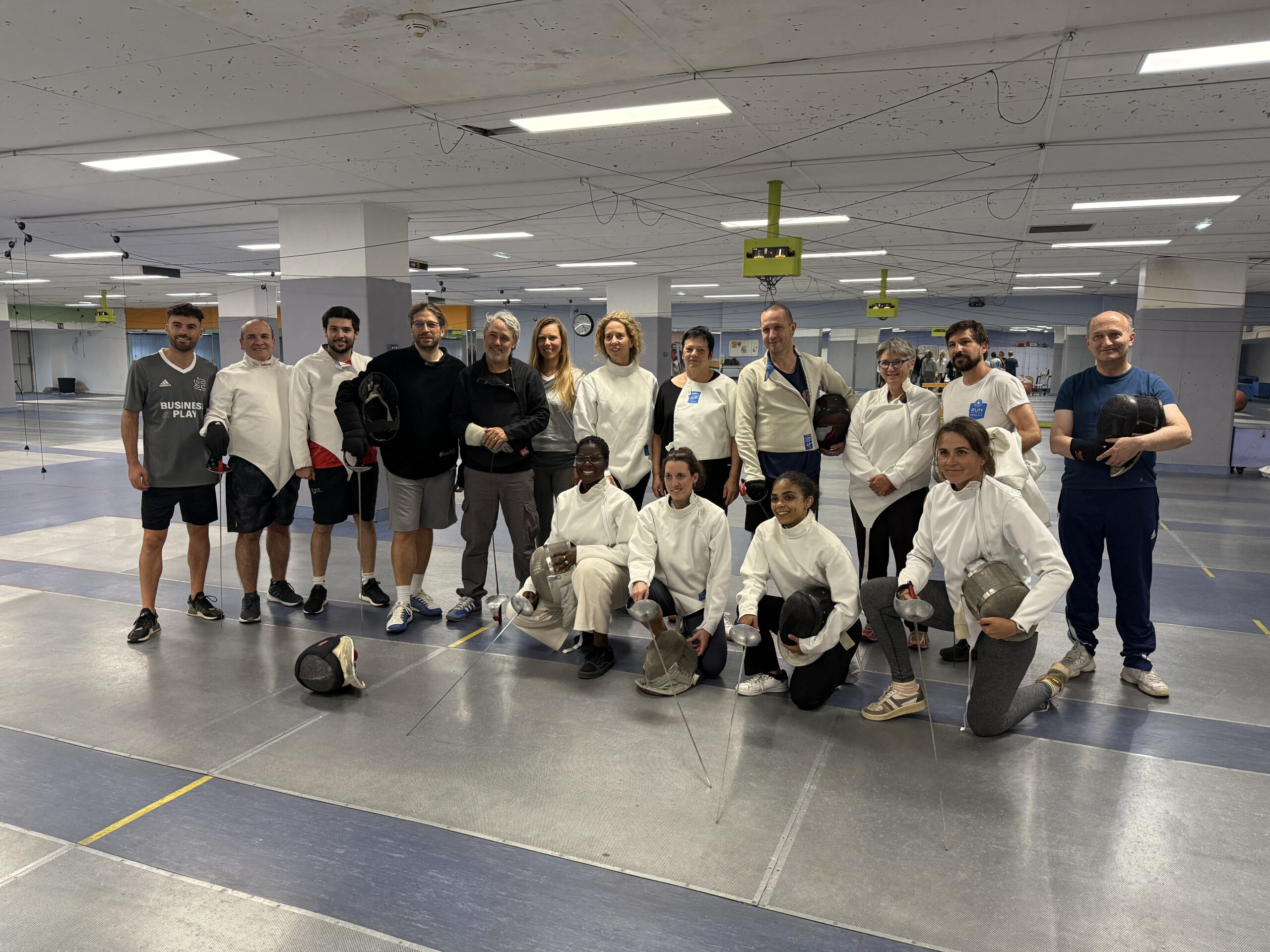
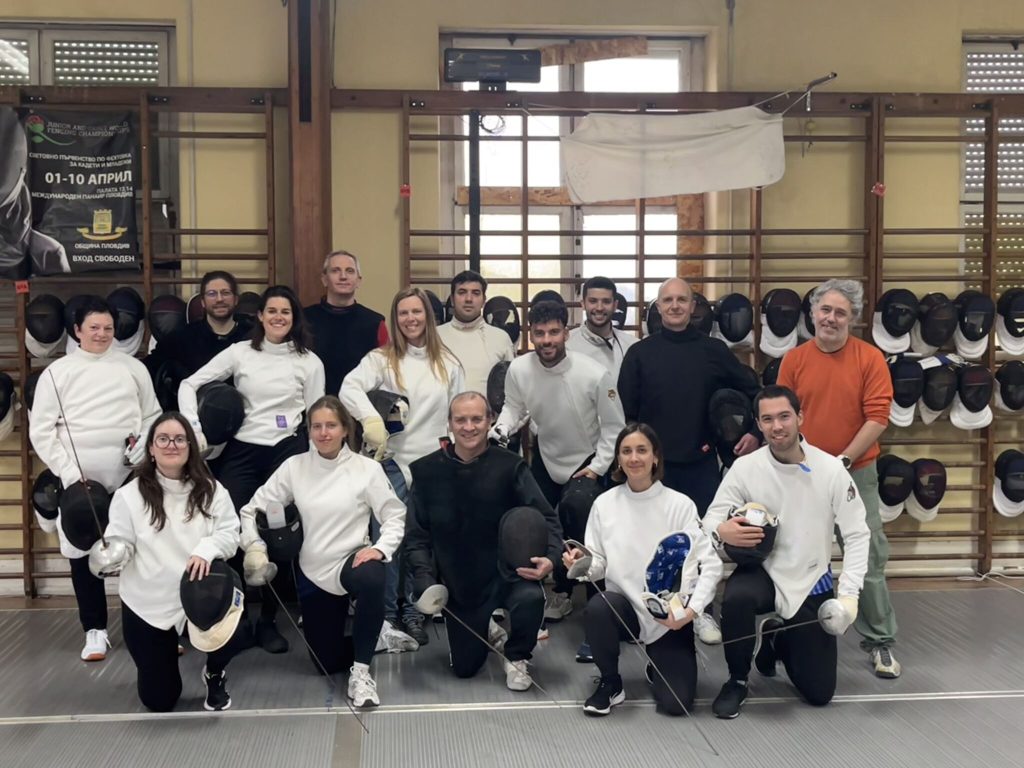
SAFE – When Sport Becomes a Tool for Healing In March, Lisbon hosted the launch of an ambitious and essential European initiative: the SAFE project, led by the Alice Milliat Foundation and supported by the Erasmus+ Sport programme of the European Commission. 🎯 Mission and Objectives of the Project The S.A.F.E. project (Sexual Abuses and Fencing Energy) aims to establish a European model of therapeutic workshops for women victims of sexual violence, using sport—especially fencing—as a powerful tool for healing and empowerment. Another key component of the project is the training of fencing coaches, psychologists, and physiotherapists to lead these workshops with a trauma-informed approach. Project objectives : What happened in Lisbon: Why this project? While the therapeutic potential of physical activity has long been recognised in the military, its use in civilian trauma recovery—particularly for women victims of gender-based violence—remains underdeveloped. For many victims, traditional therapy is not enough. Trauma often causes disconnection from the body, and physical activity can be a vital step in regaining that connection. Unfortunately, few structured therapeutic sports programmes currently exist in Europe, due to a lack of research, protocols, and awareness. SAFE aims to fill this gap by developing and promoting a reproducible, evidence-based model. From Theory to Practice: The SAFE Project Timeline Phase 1: Research and Development of an Adapted Methodology Phase 2: Training and Deployment of Workshops Across Europe Cross-cutting Phase: Continuous Evaluation and Dissemination Project Partners: